Merchant Identification Number: all you need to know
What is a merchant ID number? How long is it? Why is there a need for it? Types of ID numbers. How to get a merchant identification number. Can you have more than one MID. How to find an existing merchant ID. How to protect it from getting revoked.In the complex world of electronic payments, the Merchant Identification Number (MID) plays a crucial role in ensuring smooth and secure transactions. This unique alphanumeric code serves as a digital fingerprint for businesses, enabling them to accept credit and debit card payments from customers. In this article, we will explain what a merchant number is, why it is necessary, how to obtain one, and its significance in the broader context of payment processing.
What is a Merchant ID number?
If you run, for example, a web-based jewelry store using PayPal, they'll give you a special code called a Merchant ID. This number will let your customers pay with their credit or debit cards.
A Merchant Identification Number, typically a 15-digit code, is assigned to businesses by their payment processor or acquiring bank. It acts as a key identifier throughout the transaction process, facilitating the transfer of funds from the customer's account to the merchant's.
Essentially, your Merchant ID is a key that identifies your business to a payment processor. It's how they track your sales, manage payments, and even help you sell to people in different countries. Entities like PayPal use a Merchant ID to monitor a business's sales and spot any suspicious activity. This is like a security system for your business. It also makes sure you're following all the rules about accepting payments.
How long is a Merchant ID number?
Your Merchant ID can be different lengths depending on who you're using for payments. Sometimes, it's just a bunch of numbers, anywhere from 6 to 15 digits long. Other times, it is a mix of letters and numbers, usually between 10 and 15 characters. It's even possible to have dashes or hyphens in your Merchant ID, but that's up to the payment processor you're using.
Don't worry too much about the length, though. It doesn't affect how your Merchant ID works. It's just like a unique address that ensures your payments go to the right place.
Each MID is a unique identifier assigned to a specific merchant by their payment processor or acquiring bank. This number is distinct from other business identifiers, like Tax ID numbers or EINs (Employer Identification Numbers). The specific information encoded in the MID itself is not detailed in open sources because that information is proprietary to payment processors.
How does it work?
Here's how the Merchant ID works:
- A customer buys something from you using their credit or debit card. The payment details (like their card number) go to the payment processor (like Stripe or PayPal).
- The payment processor uses your Merchant ID to find your business account. It's like your store's address for the money.
- If the customer is paying in a currency different from that of your bank account, the payment processor will automatically convert the money into the right currency for you. They use current exchange rates to make it fair.
- Finally, the payment processor sends the money to your bank account. There's often a short delay while they check everything and make sure it's safe.
Why your business needs a Merchant ID number
A Merchant ID is like a passport for your business in online payments. Here's why it is essential:
- Proof of identity. A Merchant ID verifies your business to payment processors, ensuring legitimacy and protecting you and your customers from fraud.
- Correct destination. It directs payments to the proper bank account, like a GPS for your money.
- Global acceptance. The number connects you to major card networks like Visa and Mastercard, letting customers pay from anywhere in the world.
- Easy international payments. A MID helps you handle payments in different currencies so you can sell to customers across borders.
- Fraud prevention. Payment processors use your Merchant ID to track transactions and identify potential fraud, protecting you from losses.
- Following rules. You need a Merchant ID to comply with important regulations, like those against money laundering.
- Knowing your sales. You can track every sale, which helps you understand how your business is doing.
- Making more intelligent decisions. You can analyze your transaction data to see trends and make better business choices.
- Building trust. A Merchant ID shows your customers you're serious about security and professionalism. Clients will feel confident buying from you.
- Easier money conversions. If you sell to people overseas, a Merchant ID helps you simplify currency conversions and save money on exchange rates.
How to find a Merchant ID number
You can't just find someone's Merchant ID out of thin air. It is like trying to find a phone number without knowing the person's name. Merchant IDs are linked to specific businesses and their accounts.
To find a Merchant ID, you'd need some clues:
- Know the business. Do you know the name of the business that uses the Merchant ID?
- Know the payment processor. Do you know which company they use to process payments, like Stripe or PayPal?
- Know the bank account. Do you know the bank account number connected to the Merchant ID?
Managing taxes and legal compliance is essential for any business. Number X will collect taxes from your sales, maintain accurate records, and remit them to the appropriate tax authorities on your behalf. The service ensures your business adheres to all local laws and regulations, protecting you from potential legal issues. Additionally, Number X provides safeguards against fraud and handles chargeback-related inquiries, offering you comprehensive protection and support for digital business operations.
Conclusion
What is a Merchant ID? It is like a magic key that unlocks the world of international payments for your business.
It's essential for smooth transactions, easy money conversions, and following the rules. A MID ensures your payments go through easily and securely, even for customers from other countries.
Most Merchant IDs consist of 15 digits, but your number can differ. It can mix letters and numbers between 10 and 15 characters.
To get your Merchant ID number, you need to choose a payment processor, fill out an application, undergo a credit check, and set up your payment processing.
Some businesses prefer to have several MIDs. It is reasonable, when a company has different legal entities, uses multiple payment methods or wants to track different types of sales.

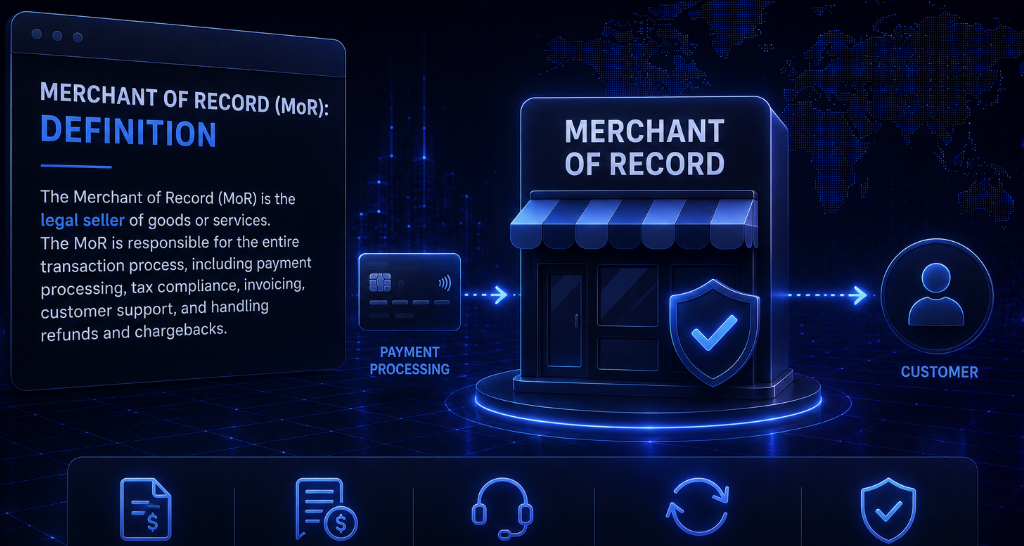
- Merchant of record (MoR): definition8 min read / July 23, 2026
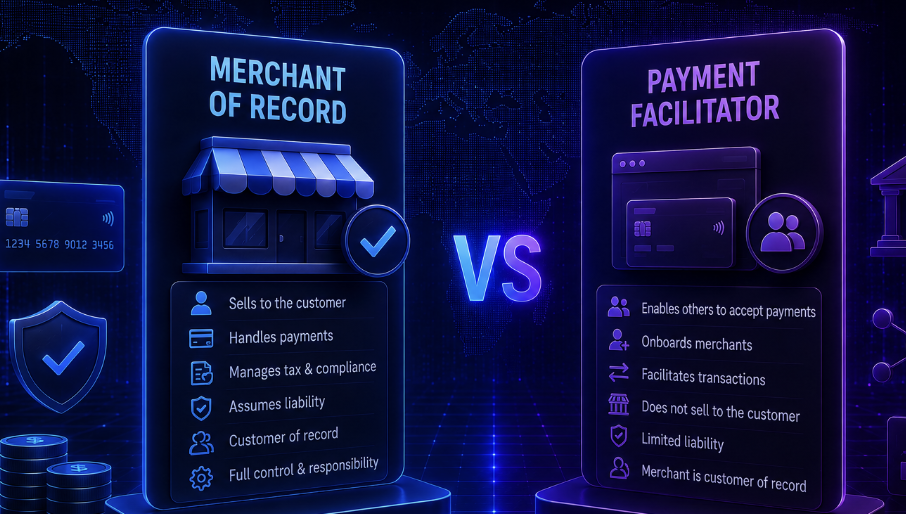
- Merchant of Record vs Payment Facilitator: What Is the Difference6 min read / July 23, 2026
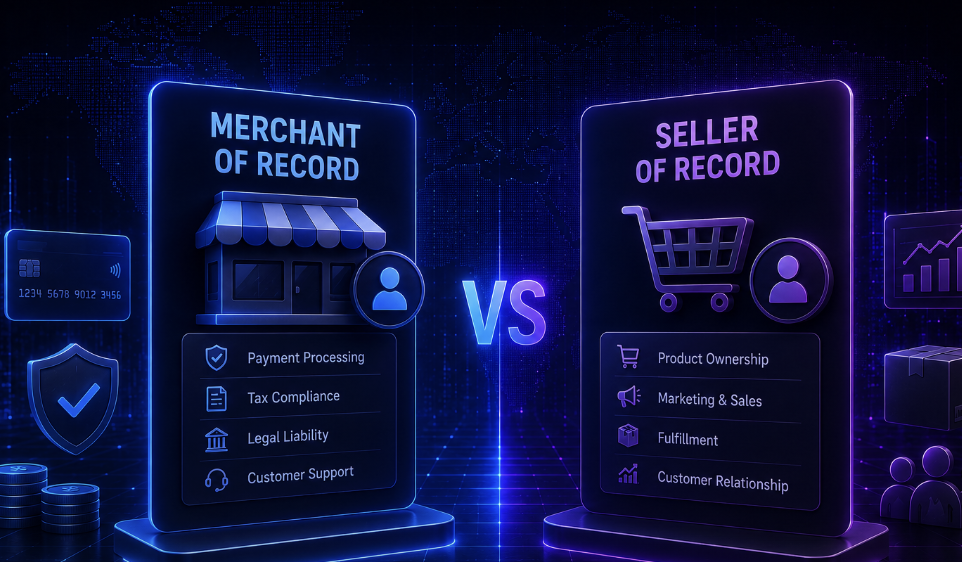
- Merchant of Record vs Seller of Record: What is the difference7 min read / July 23, 2026
- What Is the Merchant Business Model?5 min read / July 23, 2026