Multiple payment processors: use or replace?
What is a multi payment gateway? How does it work? Pros and cons. How to determine if your business needs it. How to avoid the pitfalls. Why use multiple payment systems if there is a Number X company.Every year, online businesses continue to grow, generating twice the profit of physical stores. According to e-commerce statistics, sales are expected to raise up to $8 trillion by 2027. This growth is not just in volume; online sales are crossing geographical boundaries, connecting customers worldwide, and creating new opportunities for companies’ development.
To effectively engage with international markets, your business must go beyond the limits and provide clients with a premium experience in shopping. By integrating multiple payment processors, you can reach a broader audience and avoid losing sales due to limited payment options.
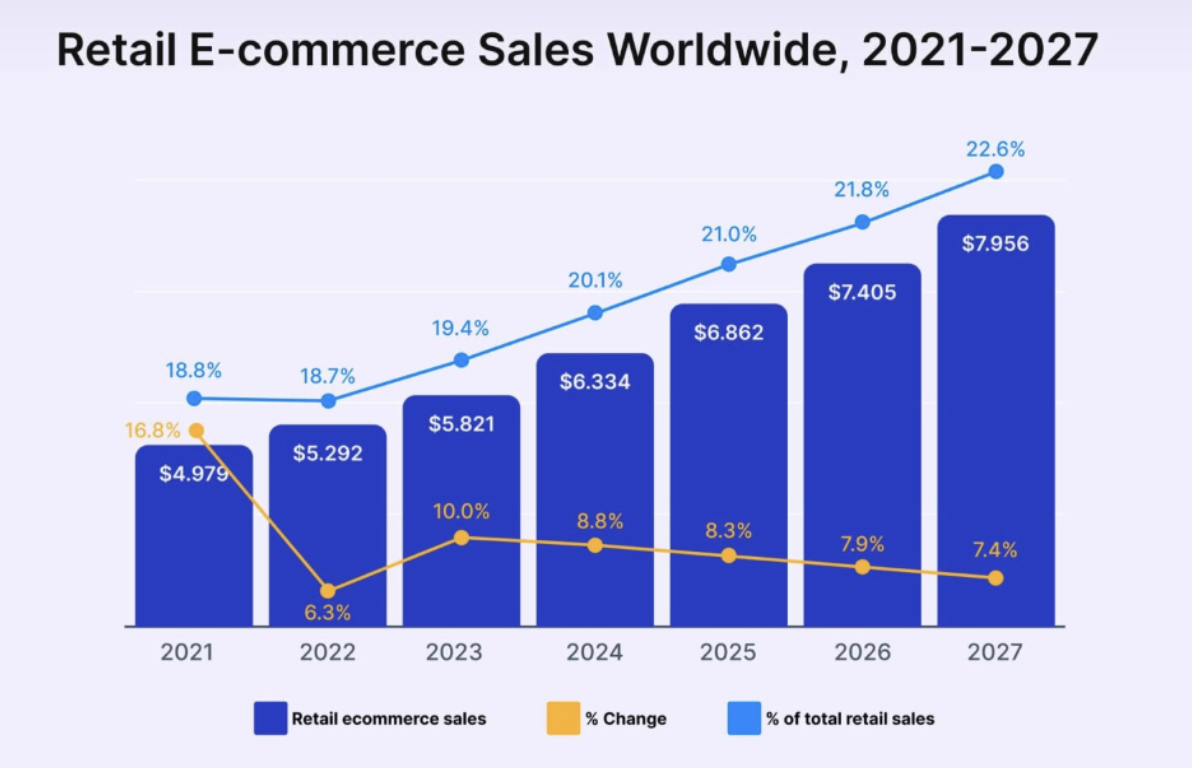 sellerscommerce.com/blog/ecommerce-statistics/
 What are multiple payment processors?
A payment processor is a technology platform that acts as an intermediary for electronic payments, allowing online businesses to accept customers’ transactions via various methods, such as credit and debit cards, bank transfers, and digital wallets.
Each transaction processed on this platform involves a series of technological steps, including the acceptance, processing, and confirmation of payment. This process helps businesses secure the transfer of funds from the buyer to the seller.
In simple terms, using multiple payment processors means that a merchant offers various gateways or Payment Service Providers (PSPs) on their checkout page, making the payment more convenient for the customer. PSPs are third-party companies that enable businesses to accept various electronic payments: credit and debit cards, digital wallets, and bank transfers. They act as intermediaries between customers and merchants, facilitating secure transactions and providing payment gateways, fraud prevention, and compliance with financial regulations.
Why people use multiple payment processors
The decision to implement a Payment Service Provider system depends on your business type and future goals. For example, if you run a small retail business with few daily transactions, it may not be the right time to adopt a PSP system.
However, if you plan to expand globally, overcome geographical barriers, and offer your clients the ability to use their local currencies, then multiple payment systems are essential. It can minimize downtime issues or declined transactions and, this way, boost customer satisfaction and improve your conversion rates.
Advantages of using multiple payment gateways
Among the advantages of using multiple PSP, are the following:
- Demonstrating your innovative approach
Integrating with multiple PSPs reflects a modern and dynamic business model. By allowing your customers to choose their preferred payment method, you empower them and show that you value their preferences. This commitment to their comfort and the security of their transactions enhances their shopping experience, encouraging them to return and recommend your products or services to others.
- Increasing customer satisfaction and enhancing conversion rate
Have you considered how many potential customers leave the purchase page due to frustration with the payment process? Approximately 13% of clients will not complete their transactions specifically due to a lack of diverse payment options. Offering a simple and convenient option to choose the payment method can set your company apart from the competitors. In today’s fast-paced and highly demanding environment, transactions with a lengthy approval process or declined payment can be a critical barrier to sealing deals.
- Boosting the revenue
Your business will primarily experience a revenue increase due to an expanded geographic market. The option to pay in multiple currencies makes your business more appealing to a broader customer base. Additionally, by incorporating numerous payment gateways, you can analyze your business performance across various regions and customer segments. This will allow you to identify areas where you could improve the KPI and boost the revenue using targeted strategy.
- Minimizing fraud incidents
One of the primary concerns for both merchants and customers is the risk of fraud, which is common in electronic payments. Fraud incidents can cause immediate harm by stopping customers from purchasing your product and lead to long-term damage, as customers may not return, negatively impacting revenue and reputation. Many payment providers implement advanced solutions to mitigate these risks: machine learning algorithms, real-time monitoring, and two-factor authentication to prevent fraud and protect user’s transactions.
Drawbacks of using multiple payment gateways
Before implementing a multiple payment system, It’s essential to evaluate whether the time and effort involved will ultimately be a profitable investment.
Here are the points to consider:
- Increased operational expenses
Although implementing multiple payment gateways can result in long-term savings, your initial operational expenses may increase. These costs include integration fees, monthly subscription charges, and transaction fees. It’s essential to consider these initial investments when evaluating the overall financial impact and solutions it will bring. Careful cost analysis is necessary to ensure that the benefits, such as enhanced payment flexibility and expanded customer reach, outweigh the initial expenses.
- Strong operational management
Managing multiple payment gateways requires stronger operational control and support to ensure seamless integration and functionality. Each gateway comes with its unique interface, technical requirements, and protocols, making it essential to have a deep understanding of how each system operates. In the event of technical issues or system failures, an effective resolution is crucial to minimize adverse effects. This requires comprehensive knowledge of each gateway’s specifications and the ability to coordinate their operations efficiently.
- Challenging data analysis
Having various PSP systems means transactions are processed across different structures, which must be regularly analyzed and monitored. A timely overview is essential to identify potential issues and ensure smooth operations. By closely tracking data from each gateway, you can quickly detect discrepancies, prevent failures, and optimize performance to guarantee efficient functioning. However, you will need time and skilled specialists to perform this tracking.
How to determine if your business needs multiple payment processors
It’s worth mentioning that in 2024, 33% of the world’s population is shopping online. That gives you 2.71 billion people who prefer online shopping. To capture a significant share of these global shoppers, your business must stand out among the competitors. Even if you expand your business gradually and strategically, the failure to provide a variety of payment options and enhance the customer experience could drastically affect your success.
When selling internationally, you may observe that different payment systems offer various levels of support, sometimes concentrating only on specific currencies or payment methods.
By incorporating multiple payment gateways, your e-commerce platform can direct transactions to the gateway that offers the best support for each region. This approach leads to higher success rates for transactions across multiple markets, ultimately improving customer satisfaction and boosting your revenue.
Why use multiple payment systems if Number X, as a registered merchant, replaces most of them
Regardless of the type of online business you run, whether you are selling clothing and shoes or offering online courses, Number X can handle all aspects of your operations to ensure everything runs smoothly. You won’t need to worry about registering with tax authorities, hiring legal experts and accountants or implementing various payment gateways and providing support for it.
Number X operates with 35 currencies and offers consistent rates for all credit cards and digital wallets. It integrates multiple payment processors, ensuring your business remains fully compliant in every market you target. With Number X, your international customers will enjoy an exceptional shopping experience, reducing the chances of abandoned transactions and boosting sales.
Visit our website to learn more about the opportunities offered by Number X.
Conclusion
- Payment systems facilitate transactions between buyers and sellers and contribute significantly to the security, convenience, and trust that are necessary to maintain a steady flow of sales and customer satisfaction.
- When choosing a payment processing platform, it is essential to consider the functionality and the level of support, security, and regulatory compliance.
- Ultimately, the stability and reliability of a payment system directly affects a business’s ability to protect its customers’ interests, maintain a high level of consumer trust, and foster a long-term relationship.
- Instead of implementing multiple PSPs, you can partner with Number X to expand your business coverage and offload fraud prevention, taxes, and compliance.

- Merchant of record (MoR): definition8 min read / July 23, 2026
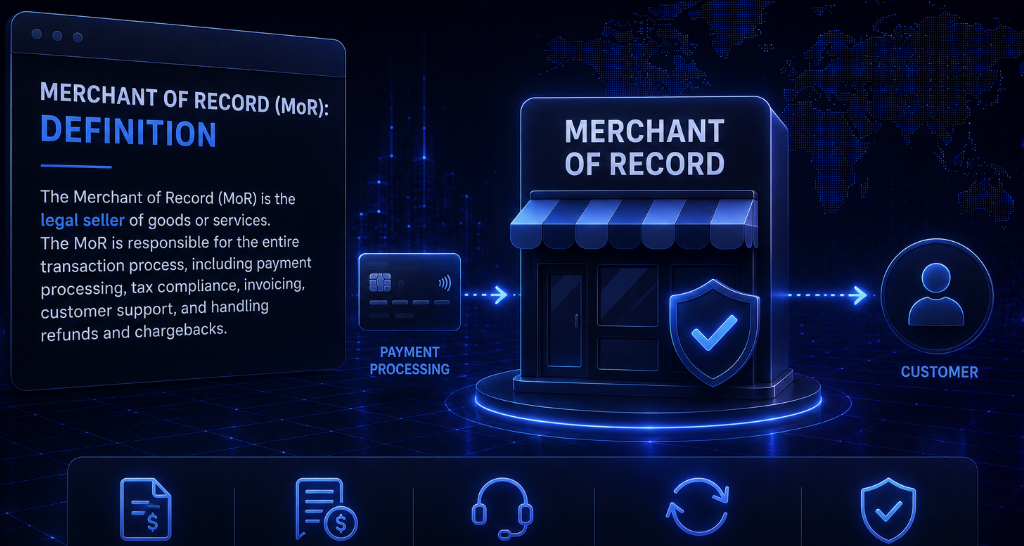
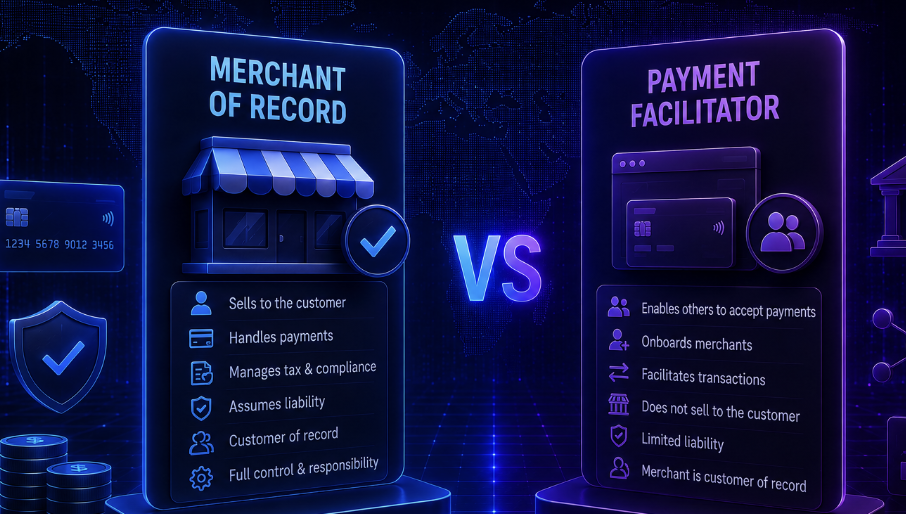
- Merchant of Record vs Payment Facilitator: What Is the Difference6 min read / July 23, 2026
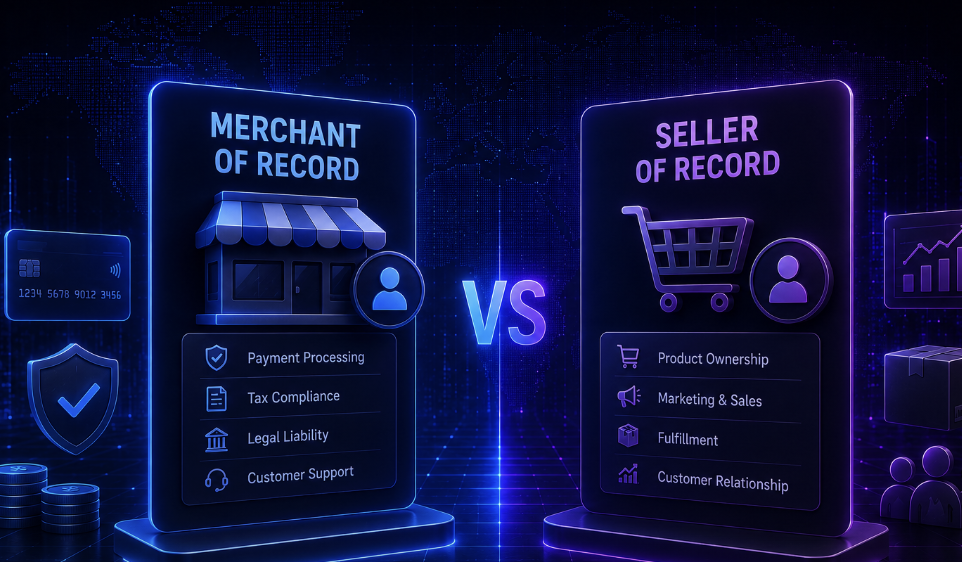
- Merchant of Record vs Seller of Record: What is the difference7 min read / July 23, 2026
- What Is the Merchant Business Model?5 min read / July 23, 2026